Panels out of level
Frost or roots lift one panel above its neighbor, creating a toe-catching edge.
Service 03 · Sidewalks
A sidewalk has one job: give people a safe, even surface to walk on in every season. When it fails — a heaved panel, a sunken corner, a puddle that becomes ice — someone eventually trips over it.
Waukesha Elite Concrete builds new sidewalks and replaces failing ones around Waukesha homes and properties. We focus on the details that keep a walk safe: flat joints, a gentle cross-slope for drainage, and transitions that meet driveways and steps without a lip.
Sidewalks are long and narrow, which makes them prone to cracking across their width. Joint spacing is set to give each panel a predictable place to crack. The joints are tooled or cut deep enough to work, and the edges are rounded so they resist chipping from shovels and plows.
Water management is just as important. A slight cross-slope moves rain and meltwater off the surface. Where the walk runs between a house and a lawn, we check that the water has somewhere to go rather than pooling against the foundation or the slab edge.
Sidewalks along the street usually fall under municipal standards. If your project touches the public walk or right-of-way, the City of Waukesha may require a permit and specific dimensions; we’ll help you identify that early.
Common situations
These are the problems that usually lead to sidewalk work.
Frost or roots lift one panel above its neighbor, creating a toe-catching edge.
Sunken sections hold water that freezes into slick patches all winter.
Scaling and spalling turn a smooth walk into a rough, uneven one.
Random cracks often point to joints spaced too far apart or a base that settled unevenly.
A trampled path across the lawn means the property needs a walk where people actually go.
The process
Sidewalk projects move quickly, which is exactly why each step needs to be done right.
We mark the route, confirm width, and set elevations to meet driveways, steps and existing walks flush.
Damaged panels are cut at the joints and removed, and the route is dug to depth.
Roots, soft soil and voids are dealt with so the new walk has uniform support.
Granular base is compacted, and forms are set straight with cross-slope built in.
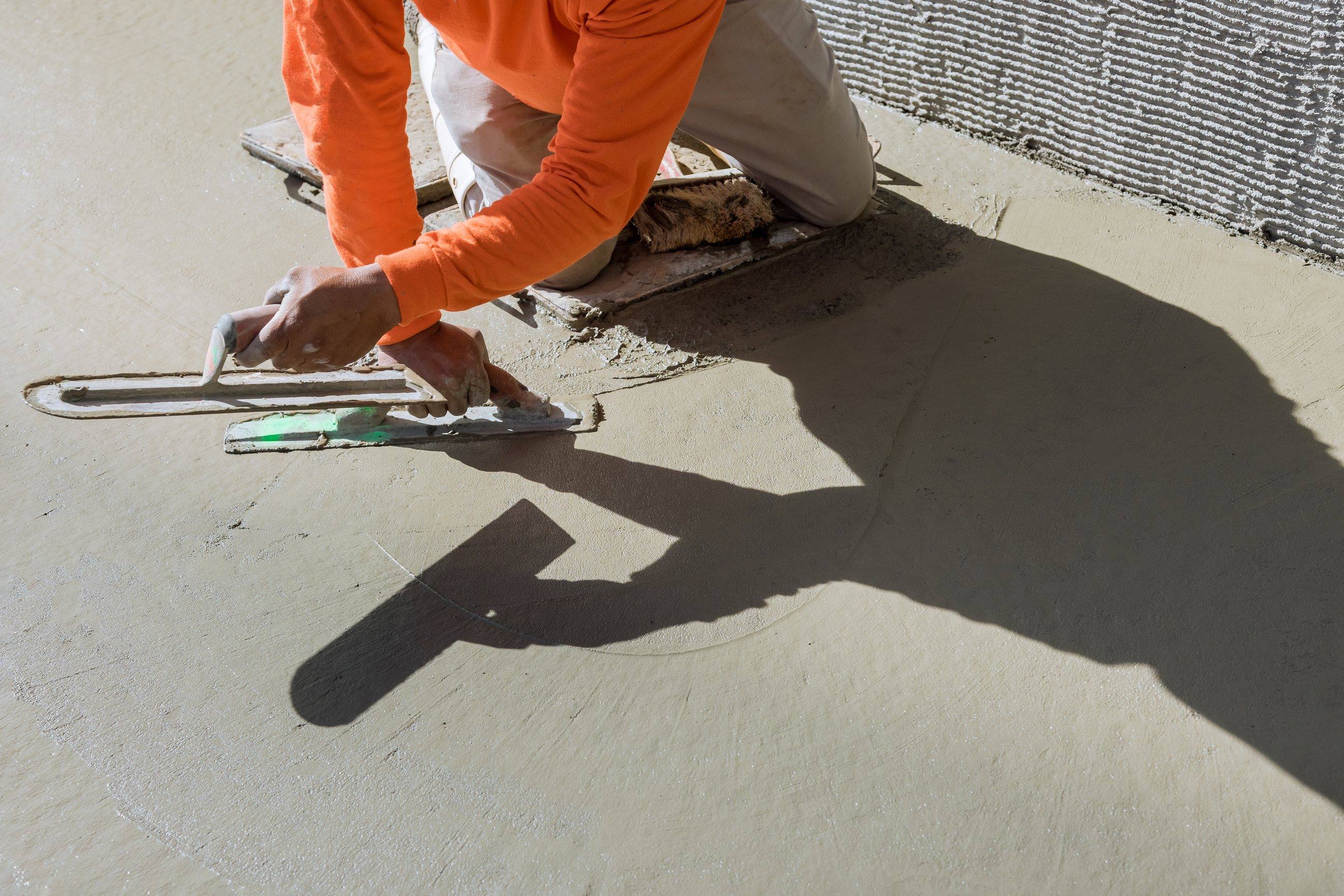
Concrete is placed, floated, edged and broom-finished for traction.
Joints are placed at regular intervals, the walk cures, and the lawn edges are backfilled.
Materials & finishes
Safety comes first on sidewalks, but there are still choices to make.
The standard for sidewalks — reliable grip in rain and light snow.
Crisp, traditional lines that also resist chipping.
Extra width at the main entrance for side-by-side walking, strollers and wheelchairs.
A smooth or stamped border on a front walk adds polish while keeping the walking surface simple.
Benefits
Flat joints and solid support reduce the edges that catch toes.
Good drainage means fewer ice patches to salt and shovel around.
Smooth transitions and adequate width make the walk easier for every visitor.
A well-supported walk keeps its straight edges for years.
Residential
Front walks, driveway-to-door sidewalks, side yard walks and replacement of damaged panels.
Commercial
Sidewalk sections at small commercial properties and entrances can be reviewed during an estimate.
Before & after
Drag the handle to compare. Illustrative only — project photos will be added as they’re available.
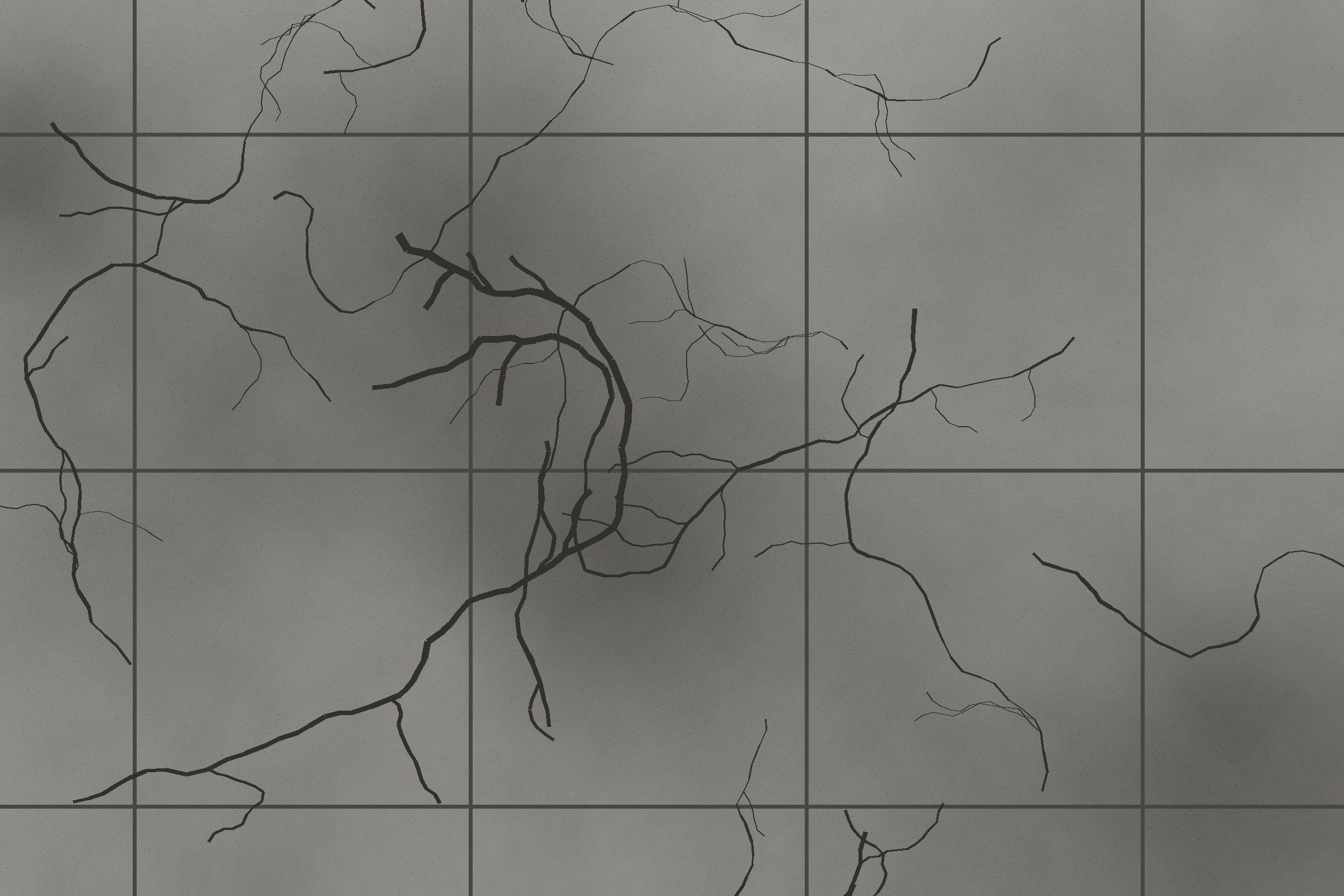

Illustration only — not a photo of a Waukesha Elite Concrete project. Genuine project photos will replace it.
Waukesha, WI
Frost heave is the usual culprit behind uneven sidewalks around Waukesha. When wet soil under a walk freezes, it expands and pushes panels up unevenly. Reducing how much water sits under the concrete is the best defense, which is why base material and drainage get so much attention.
Sidewalks also take more salt and shoveling than almost any other concrete on a property. A sound finish and proper curing help the surface stand up to that routine for years.
FAQ
That depends on the City of Waukesha’s policies, which can change. If work involves the sidewalk along the street, check with the city about responsibility, permits and standards — we can help you know what to ask.
Yes. Damaged panels can be cut out at the joints and replaced. If many panels are failing or the base is poor along the whole run, full replacement is usually the better investment.
Many residential walks are three to four feet wide. Four feet or more is more comfortable for two people side by side and for strollers or wheelchairs.
The broom finish provides traction. A smooth-troweled sidewalk can be slippery when wet or icy.
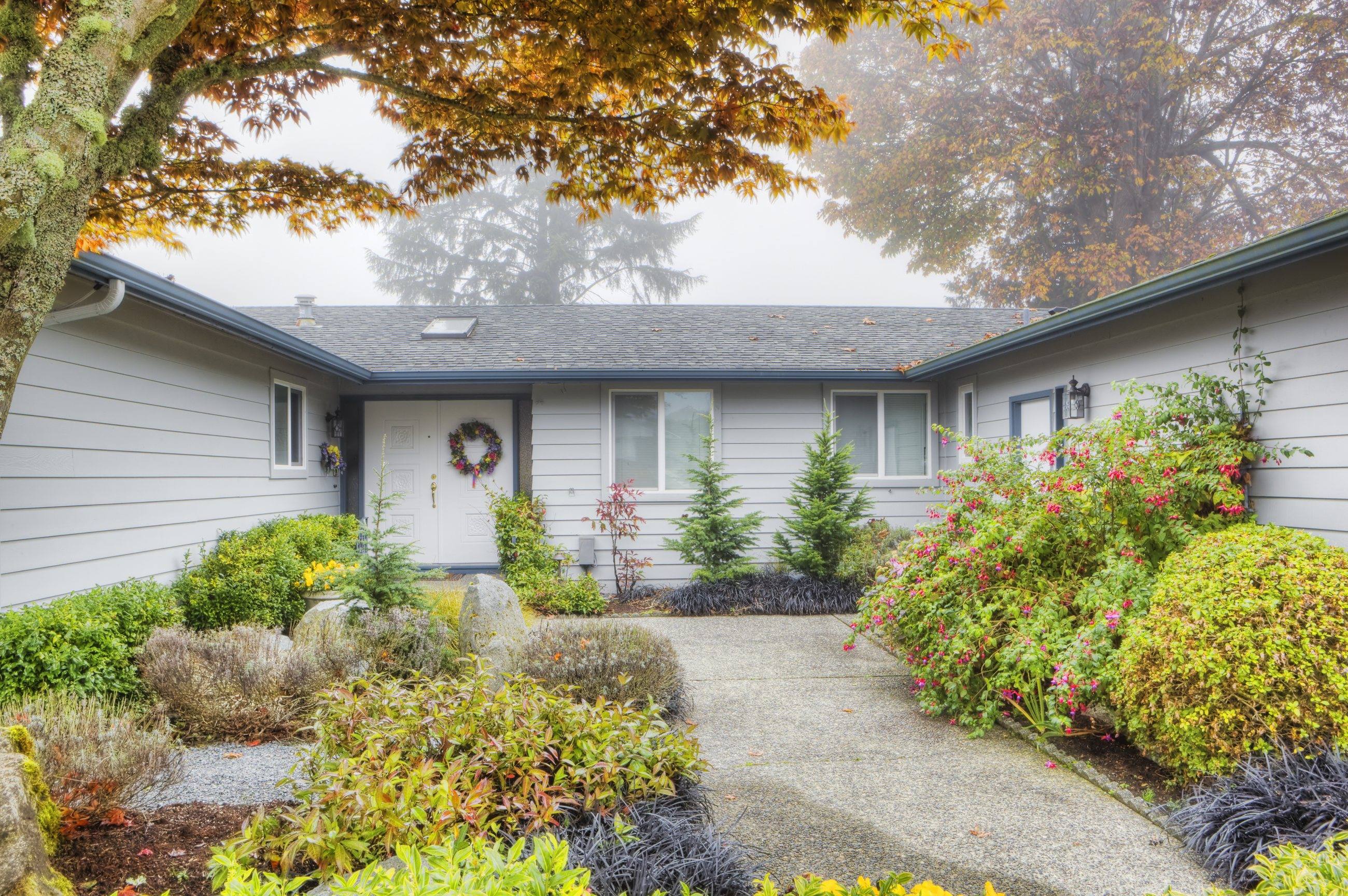
Front entry walks, garden paths and side-yard routes that connect the property — straight, curved, or stepped.
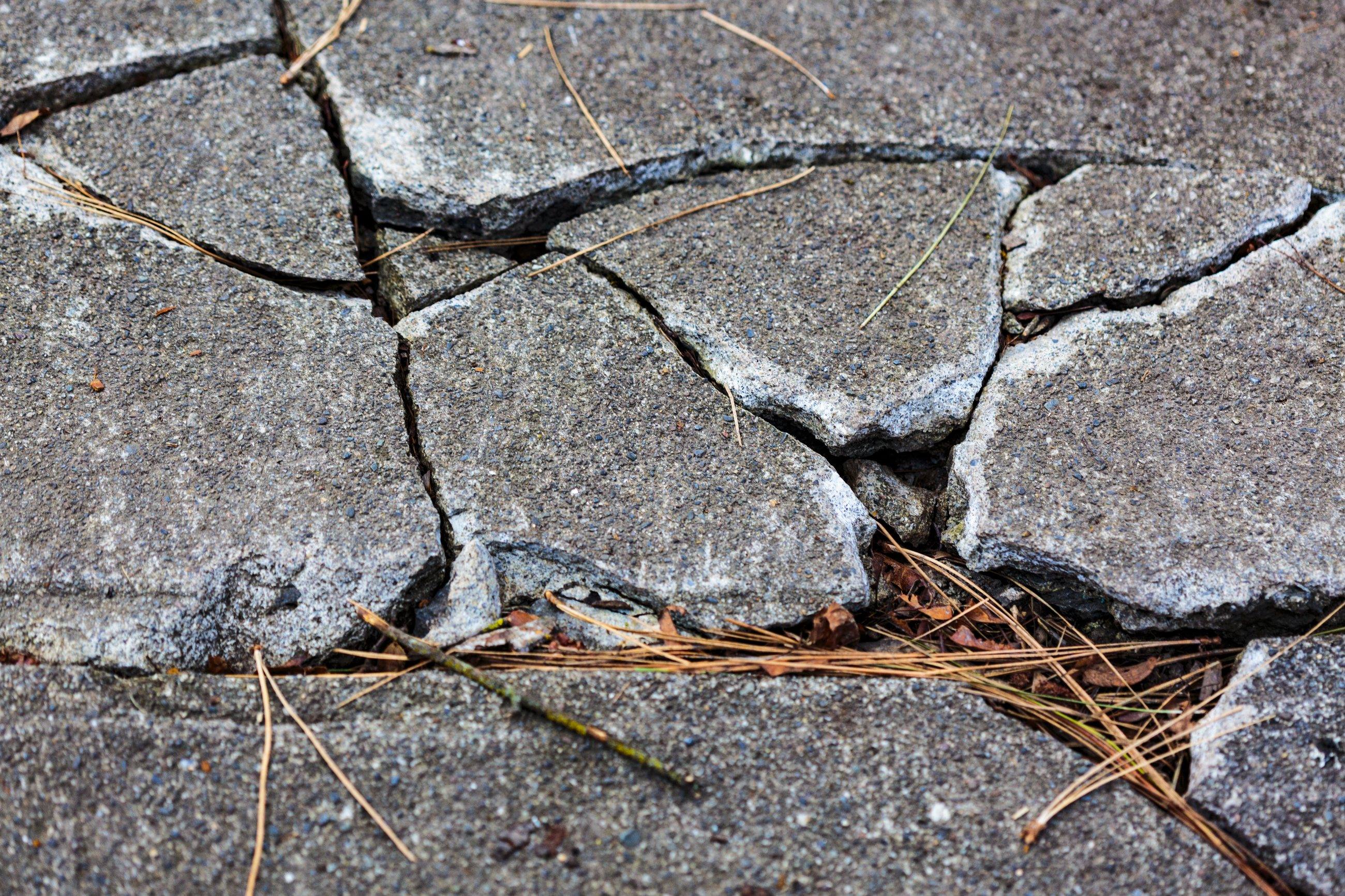
A clear diagnosis first, then the right fix for cracks, scaling, broken edges and damaged steps.
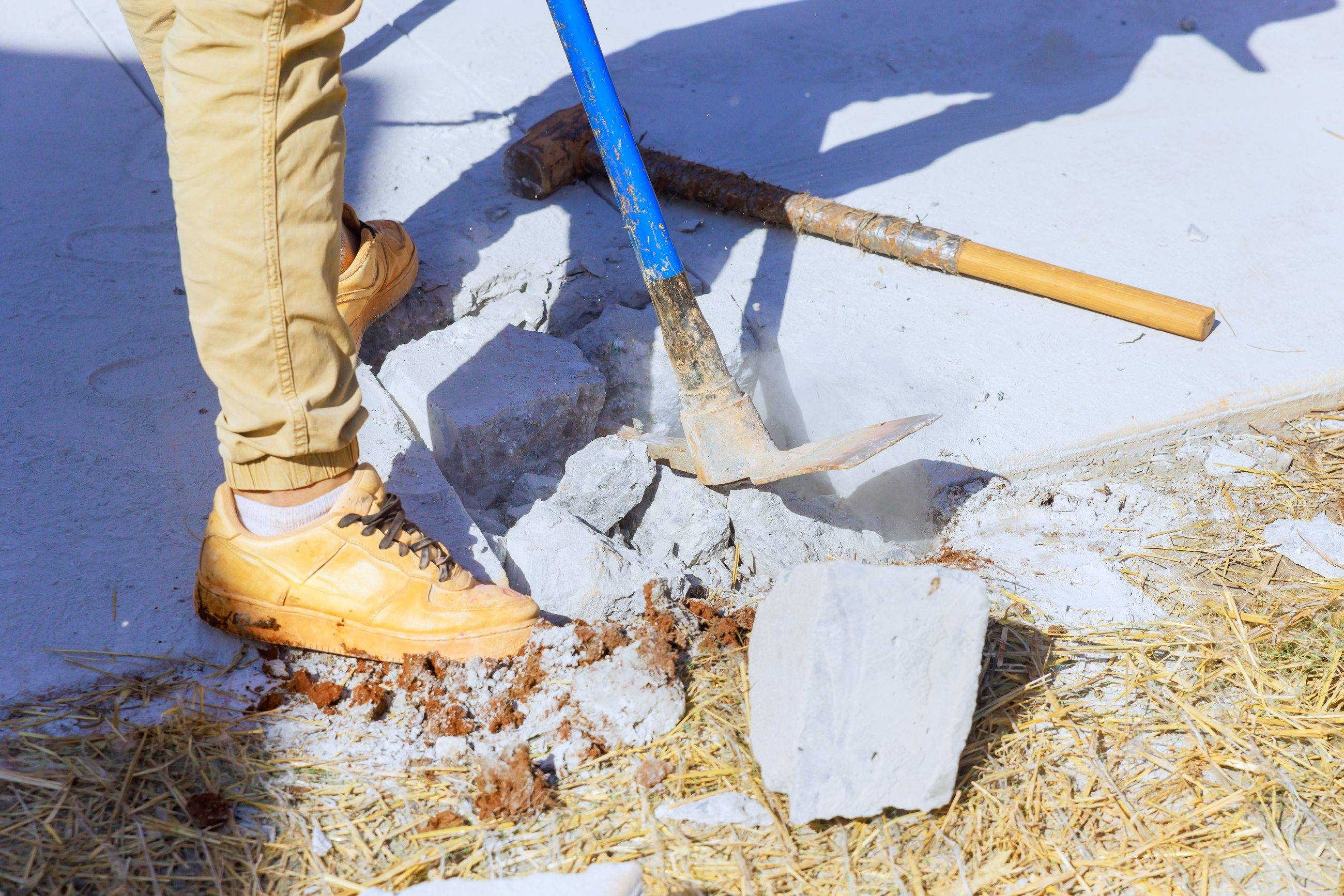
Remove failed concrete, fix what went wrong underneath, and pour a slab built to last.
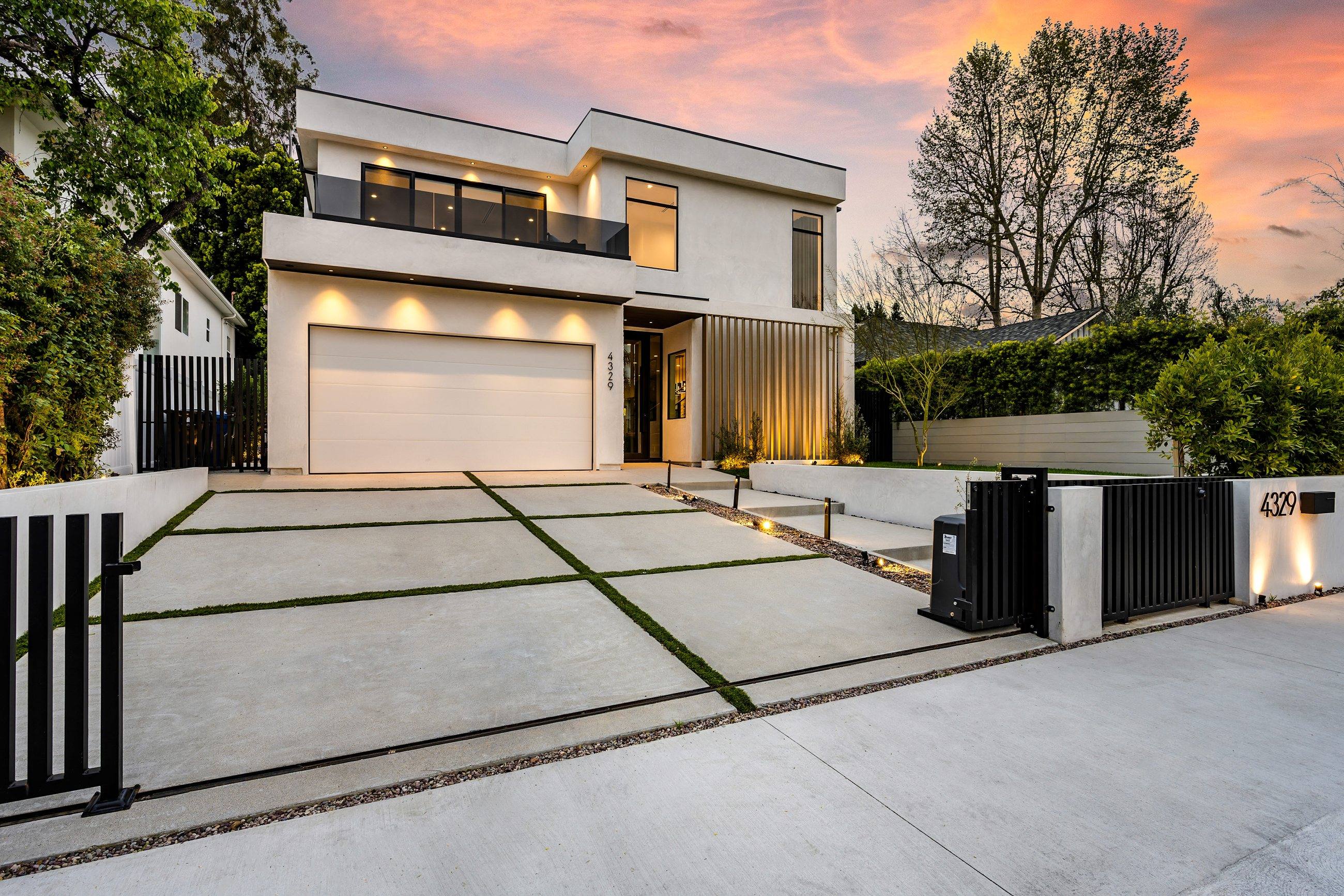
Driveways planned around how you park, where the water goes, and what a Waukesha winter will throw at the slab.
Free estimates in Waukesha
Send a short description and a few photos. We’ll follow up to arrange a visit and a written estimate for your concrete sidewalks project in Waukesha.